
Written by Søren Ahrensborg Kamper
In Star Wars: The Mandalorian and Grogu, Grogu repeatedly helps pull Din Djarin out of danger with the Force. There is nothing inherently wrong with this. The little fellow is a powerful Force user, and nobody bought a ticket expecting him to become an accountant. Yet repeated rescues raise a difficult question for any adventure film: if a miraculous ability can clear away the danger whenever the plot needs help, how do we know when to worry? The problem is not whether a character can perform a miracle. It is whether the story has given that miracle a dramatic price.
Star Wars games face a related problem with less room to hide. A filmmaker decides when the Force will intervene; a player gets a button and is perfectly willing to press it twenty times. Without limits, every stormtrooper becomes inconvenient furniture. With too many limits, an ancient spiritual mystery starts behaving like a disappointing household appliance. Two games released 22 years apart show both the possibilities and the awkwardness of turning magic into a system.
Kyle Katarn and the Morality of a Button Press
In 1997, Star Wars Jedi Knight: Dark Forces II transformed Kyle Katarn from a blaster-carrying mercenary into a playable Jedi. That shift mattered. A lightsaber was no longer just something to admire on a cinema screen, and the Force was not reserved for a scripted moment of revelation. Players earned stars to invest in abilities, with healing and protection on the light side and considerably less diplomatic powers, including Force Choke, on the dark. A limited Force reserve controlled how often those abilities could be used.
But the sharper rule was moral. Choosing dark-side powers, or killing non-hostile characters, affected Kyle’s alignment and ultimately the story’s direction. The game’s ethical bookkeeping could be painfully literal, as 1990s morality systems often were. Even so, it gave power a consequence beyond the immediate encounter. The question was not merely whether the player had enough energy to choke somebody. It was whether reaching for that solution would help determine the kind of Jedi Kyle became.
Cinema has its own version of this challenge. In The Last Jedi, Snoke is presented as a formidable reader of minds, yet fails to notice the lightsaber turning at his side. The reversal is spectacular. It also invites a fair question: is his downfall an expression of his arrogance, or has the scene temporarily made him less perceptive because the plot needs him defeated? Both readings are possible. A good limitation does not have to be numerical, but the audience ought to recognize the weakness once it is exposed. Jedi Knight makes its choices unmistakable, even if its moral arithmetic occasionally resembles an unusually judgmental school report.
Cal Kestis Has to Earn His Next Miracle
In 2019, Star Wars Jedi: Fallen Order took a more immediate approach. Cal Kestis can slow an enemy, push a threat out of the way, or pull an object into reach. These powers feel wonderfully cinematic until the Force meter runs low. Abilities drain that resource, and striking enemies replenishes it. The player must decide whether a well-timed push is worth the energy, or whether the safer choice is to save it for an enemy who has not yet drawn a weapon.
This was not an accidental inconvenience. Respawn developer Brandon Kelch explained in a 2019 interview about the combat design that Force abilities were powerful enough to need a limit, so players would think strategically about using them. On screen, the Jedi appears to control extraordinary energies. In practice, the player learns to read an opponent, create an opening, and choose a moment. The Force is no longer an emergency exit provided by the screenplay. It becomes a risk the audience, now in control, has to judge.
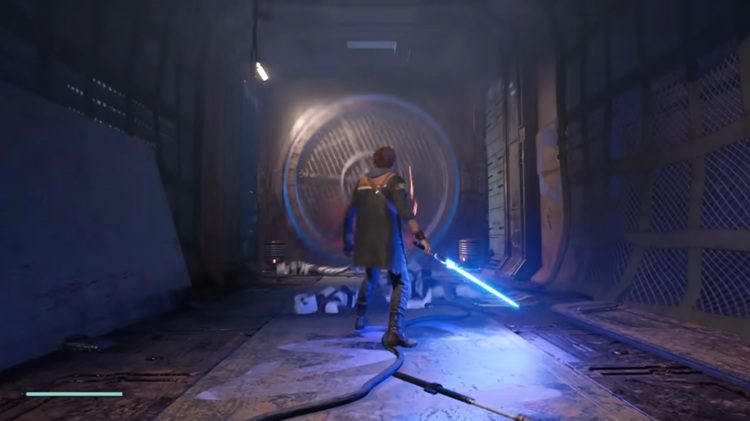
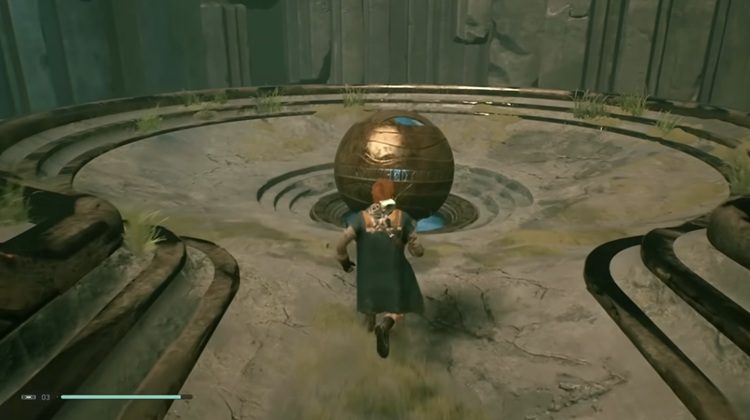
Exploration makes the bargain even clearer. Cal can manipulate mechanisms and move heavy objects, but only in the ways the environment allows. An ancient chamber may require careful timing and a particular sequence of Force powers. Victory feels earned because the player understands the rules; occasionally, the same rules expose the machinery beneath the magic. The hero who can sense a presence across the galaxy may still have to hit a stormtrooper before he can afford another shove. Mystic enlightenment has apparently acquired a recharge policy.
The Difference Between a Miracle and a Shortcut
A resource bar, however, is not automatically good drama. Games can make the Force so predictable that it loses its strangeness. Films can make it so elastic that it loses its suspense. Neither problem can be solved by a universal rulebook. What matters is establishing the conditions under which power succeeds, fails, or changes the person who uses it. When Yoda lifts Luke’s X-wing out of the swamp in The Empire Strikes Back, the scene works because Luke’s doubt has already been made the obstacle. The miracle answers a question about belief; it is not merely a convenient way to remove a parked vehicle.
Star Wars Rebels’ third season finds another kind of cost. Ezra Bridger’s use of a Sith holocron strengthens his abilities but also makes him reckless, straining his relationship with Kanan. There is no energy meter for that consequence. A power can be available and still be unwise to use. The distinction matters as much in a film as in a game, because the most convincing rule is sometimes about the character rather than the physics of the fictional universe.
These two games occupy different corners of the much longer history of Star Wars video games, but they ask the same question: what keeps extraordinary power from becoming an automatic solution? Jedi Knight answers with choices that shape Kyle’s identity; Fallen Order answers with combat decisions the player must make in the moment. Both sometimes show their mechanical seams. Even so, they offer a useful lesson for screen stories. A Force-powered rescue can be thrilling when it reveals discipline, ingenuity, or sacrifice. It feels like a shortcut when the story simply needs a way out.
The Force does not become less magical because it has limits. Sometimes the limits are exactly what make the next impossible thing worth believing.
About the author
Søren Ahrensborg Kamper is the editor of Star Wars: Gaming, where he writes about the history, design, and occasionally baffling decisions behind Star Wars video games.
