
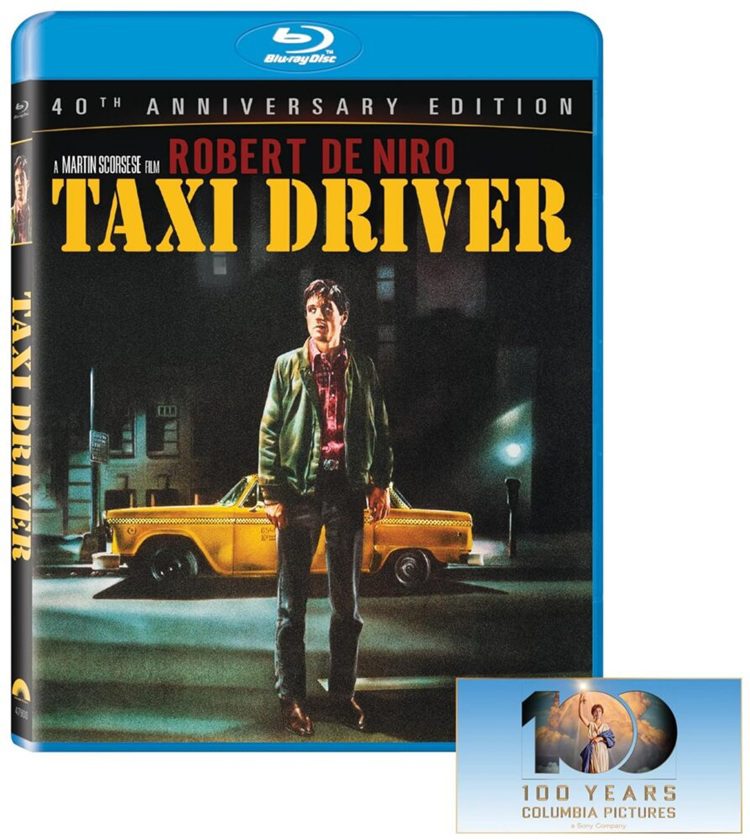
Martin Scorsese’s Taxi Driver is one of those films that seems to grow darker the longer you think about it. Released in 1976, the film follows Travis Bickle, played with unnerving intensity by Robert De Niro, a lonely Vietnam veteran who drives a taxi through the filthy, sleepless streets of New York City. What begins as a portrait of alienation gradually becomes something much more disturbing: a study of a man who desperately wants to give his life meaning and ultimately finds it in violence.
Buy Taxi DriverTravis is an extraordinary character because the film never makes him easy to understand. He is clearly disturbed, but he is also observant, intelligent, and painfully isolated. His journal entries reveal a man who desperately wants to connect with other people but has no idea how to do it. He sees corruption and ugliness everywhere, yet he is incapable of recognizing how much of his own bitterness contributes to the darkness he perceives. De Niro’s performance captures this contradiction beautifully. Travis can seem almost painfully ordinary one moment and frighteningly unstable the next.
Scorsese turns New York into an extension of Travis’s mind. The streets are perpetually wet, neon-lit, crowded, and grimy, filled with prostitutes, drug dealers, criminals, and desperate people. Bernard Herrmann’s haunting score adds another layer of unease, combining romantic saxophone melodies with ominous, pounding passages. The result is a city that feels both intensely alive and profoundly diseased.
The film’s most fascinating element is its ambiguity. Travis convinces himself that he is going to cleanse the city of its filth, but the film never completely endorses his worldview. His obsession with Betsy (Cybill Shepherd) also reveals how badly he misunderstands human relationships. He idealizes her, approaches her awkwardly, and then becomes resentful when reality fails to match the fantasy in his head.
The famous climax is both horrifying and strangely inevitable. Travis transforms himself physically, prepares for violence, and sets out to become the kind of person he imagines the city needs. Yet the film refuses to provide a comfortable moral conclusion. The aftermath almost seems to turn Travis into a hero, raising unsettling questions about the way society can celebrate violence when it happens to produce a result people find convenient.
That ambiguity is a major reason Taxi Driver remains so powerful. It is not simply a movie about a dangerous man. It is about loneliness, obsession, masculinity, urban decay, and the human desire to believe that our suffering has a purpose. Scorsese and screenwriter Paul Schrader create a portrait of psychological deterioration that never feels tidy or reassuring.
Fifty years later, Taxi Driver remains a masterpiece because it refuses to tell us exactly what to think about Travis Bickle. It simply puts us inside his increasingly fractured perspective and makes us uncomfortable with what we find there. Few films have ever made loneliness feel quite this frightening.
