
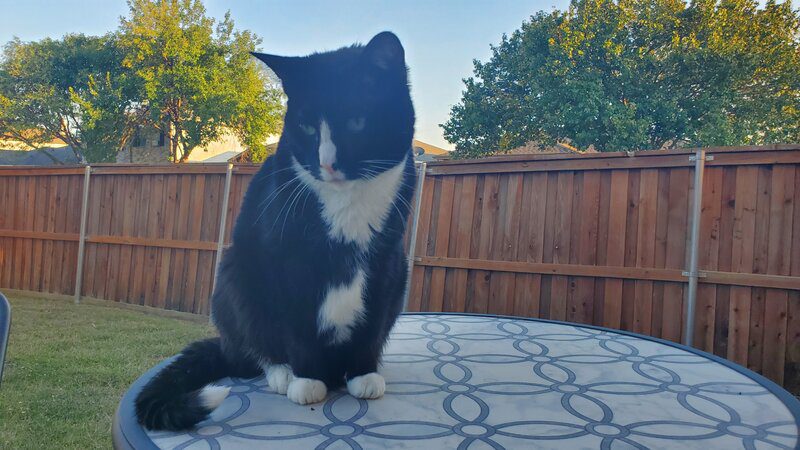
One last look around his backyard.
Pop Culture Ephemera
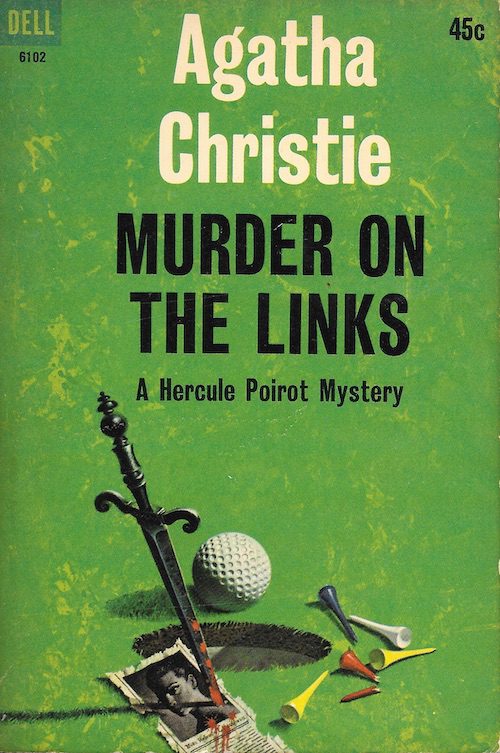
- Agatha Christie – Murder on the Links (1923) (Published by Dell): “Arrange your ideas. Be methodical. Be orderly. There is the secret of success.” This is the second Hercule Poirot novel (Christie’s third overall). All of the elements are present that will be so endearing in future stories. The best part here being the rivalry between Poirot and French detective Giraud. Hastings is an important element of the story, but he feels uncharacteristically naive. Part of it can be attributed to him falling in love with one of the suspects.
Despite the title, there is very little to do with golf in the mystery. The “link” is that a husband is discovered murdered on a golf course that is being built. The mystery felt like a short story worthy one to start, but as it developed, there are multiple false solutions. I think that we had a least four different “endings” that fell apart before solving the crime. It’s a good quick read, and it’s what has attracted me to the Poirot stories. He’s not present in the book as much as some of the short stories, but it is his little grey cells that finally solve the complicated story. These shorter books are helping me meet my yearly goals.
- Carrie – “First Period” (Amazon) (S.1 E.1) (2026): “Shall we make a new rule of life from tonight: always try to be a little kinder than is necessary?” – Carrie White. The fourth adaptation of King’s 1974 novel doesn’t assume you are ignorant of some of the iconic moments from the previous versions. It starts at the end with the 911 calls and interviews with the survivors. As a King fan, I’m part of the legion of “In Mike Flanagan We Trust” fans. His non-King, The Haunting of Hill House (2018) is one of the best spooky series on Netflix. If you have followed along, you will rejoice at some of Flanagan’s troupe. Samantha Sloyan gets the role as Margaret White (Carrie’s mother). I’m encouraged by this first episode. The current day setting makes the story more about the bullying (they record the infamous gym shower episode on their phones) and how misunderstood Carrie White is to her peers. Other versions have leaned on the mother/daughter relationship or the connection of religion to cults. Fleshing out the Sue Snell character will be important to the series so we can see the point of view of the bully too. I’m cautiously optimistic that this book is in the right hands.
- Electric Light Orchestra – “Nightrider” (from Face the Music) (1975): “Riding the night, searching for what is gone, / Never reaching the end, so you must travel on” – At their best, you felt like you were listening to pop-classical music. This song has that string arrangement that feels lifted out of a classical piece, but it’s also got that driving lead guitar that feels like you are galloping through the countryside on a horse. This is definitely one of their deeper cuts that should have had more love as a single. We can take solace that elements of this song show back up in “Evil Woman.”
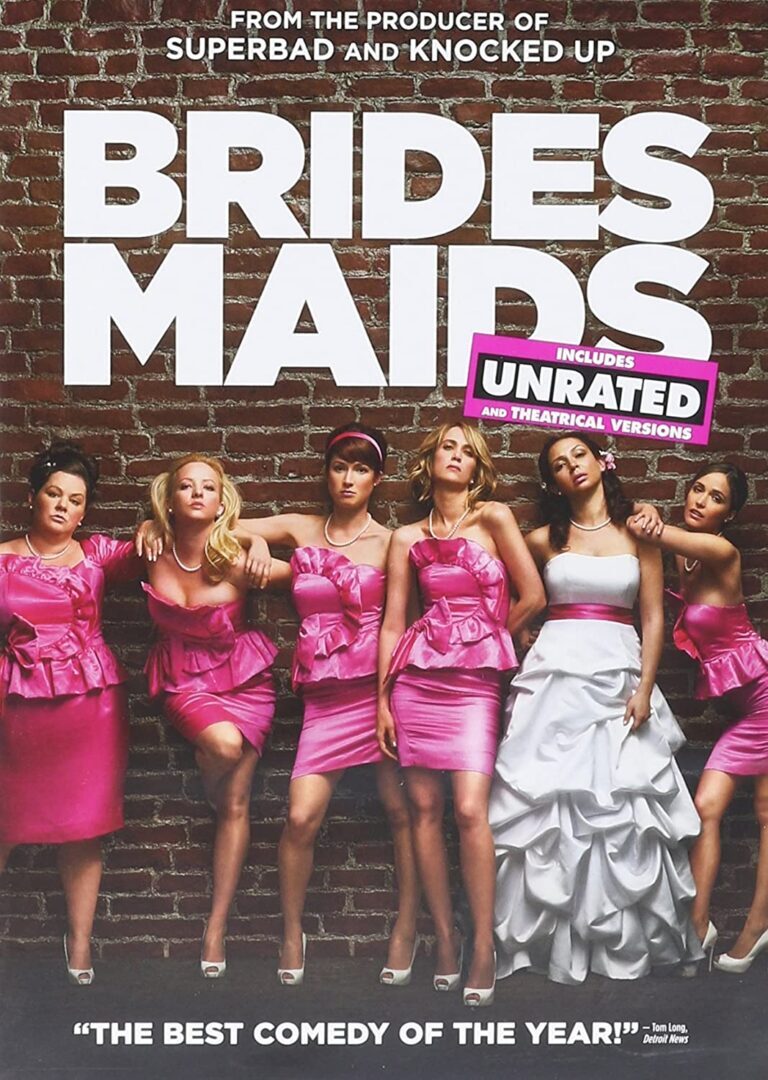
- Bridesmaids (2011) (Directed by Paul Feig): “We would like to invite you to no longer live with us.” – Brynn. Remember when Paul Feig was making comedies before his “I’m a serious, thriller guy” era. To be fair, this was viewed as a Judd Apatow film at the time, and probably does to a majority of people today. I viewed this as simply a female answer to The Hangover (2009). Time has been kinder to this film than the latter. When it showed up as #32 on The New York Times Best Films of the 21st Century, I knew it was time to revisit.
Is it as raunchy as its reputation? I find that 15 years usually dampens the shock factor of films like this. The outrageous reactions to American Pie (1999) seem overblown when you watch it back now. This film still has some shockers. I think that some of that comes from the cast being all women. I would think we are past being surprised that women act the same as men, but it still feels genre pushing today. The thing that looks prescient after 15 years is that the casting of established and up-and-coming comedic actresses was spot on for every character. The breakout and still most surprising was the Melissa McCarthy role. I’m more impressed with Kristen Wiig than I was at the time. I overlooked some of her physical humor. The comparisons to Lucille Ball might be a little stretch, but that’s more valid as the years pass. I’m just as surprised that Wiig hasn’t gone on to have the career that even her co-stars have had. A movie that grossed over $300 million isn’t an underdog by any definition, but the brilliance of it is that Apatow and Feig created a narrative around it that feels smaller than male versions of the same plot. There’s a balance of chick flick and raunchy comedy that I can’t recall being done any better since then.
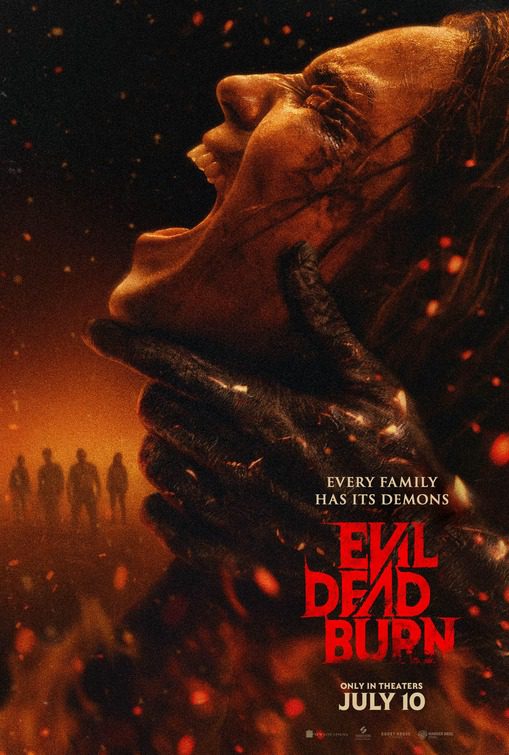
- Evil Dead Burn (2026) (Directed by Sebastien Vanicek): “Did you come back to return what you stole?” – Polly. This is technically Evil Dead 6, only counting the movies. It’s also the end of the second trilogy. I say that as someone who has watched the first three films over a dozen times, and this being the first of the last three that I’ve watched.
My verdict is that this was just cruel. The Sam Raimi three were remarkable because of Bruce Campbell and their combination of practical effects and sense of humor. The physical humor (heavily influenced by the Three Stooges) is gone, replaced by a humor based upon excessive gore. It only works in one scene, a three-person battle inside of a car that has a level of gore, but it’s also got clever choreography, similar to a classic Jackie Chan close-quarters fight. There’s some body horror played to such an extreme that it doesn’t hit the humor notes it appears they were trying for. I’m still curious what the other films were like to get such praise because this dark (literally dark and washed out) feels like the heart has been ripped out of it, something that Sam Raimi would have done in-camera.
Best of the Rest
- When ELO took a song like “Nightrider” out of the studio, the group got to show off some of their guitar masterwork. The song becomes more like a pop song here, but what really stands out is the interplay of Jeff Lynne and bassist Kelly Groucutt. It was odd that they shared a song as much as they did on this one. The more the years pass, the more respect I gain for The Midnight Special and some of the performances they hosted.
- The upcoming Hercule Poirot series is going to adapt three novels over the course of six episodes. They had announced that the first novel to be adapted would be Lord Edgeware Dies. The second novel to be adapted will be Peril At End House. I am excited that the first stories will include Hastings and Japp too. I still have time to get these read before the show debuts. The two episodes per mystery format is working well for Agatha Christie’s Tommy & Tuppence (Britbox), so there’s hope that this is a worthy successor to the David Suchet series.
- It’s easy to just associate Halloween with the Monster Cereals. Count Chocula and friends at General Mills did have some great television commercials. Post did their best to associate their Alpha Bits (R.I.P. to this once mighty cereal) brand with the Frankenstein’s Monster in the years before the Monster cereals debuted. It wasn’t animated, but it was certainly cartoony. This is very early in my Saturday-morning memories, so I would probably place it in the very early ’70s.
Sunday Morning Tuneage Flashback
- Sunday Morning Tuneage from 10/31/2010, I was excited to tag along with the older children Trick o’ Treating for one of their last times. I would walk along with Miles to make sure I got my share of the candy. The boys lost their football games, but we were excited that the Rangers were on their way to Game Five of the World Series. If I was already impatient with The Simpsons (FOX) “Treehouse of Horrors” episode, imagine how I feel now. Halloween episodes from Community (NBC) and The Cleveland Show (Fox) also didn’t live up to my expectations. The list of the week didn’t have much direction, so I imagine it will be slightly different today. Remember that I didn’t qualify it as novels, novellas, or short stories, so it’s all inclusive.
My #43 Top TV Show of All-Time was Big Brother (CBS) (2000-Present): There are the Big Three of reality-game shows – Survivor, The Amazing Race, and Big Brother. All are CBS properties and have each survived over 25 years by sticking to a formula, even as they play with the demographics of their contestants. Big Brother isn’t distinctly different after just finishing Season 28 than it was during Season 2 (when they went away from fan voting to eliminate contestants). I have claimed that it’s the hardest to win because there isn’t a clear strategy that has worked more than others, not to mention that it’s the longest and biggest social drain on people who get paranoid. I enjoy it during the summer seasons, but I wouldn’t rank reality shows against scripted shows in future rankings, so that would free up this spot for another show. - BEST SCARIEST-SPOOKIEST STORIES I’VE READ OF ALL-TIME (2010)
- 10. H.P. Lovecraft – “The Rats in the Walls” (1923)
- 9. W.W. Jacobs – “The Monkey’s Paw” (1902)
- 8. Peter Straub – Ghost Story (1979)
- 7. Richard Matheson – Hell House (1971)
- 6. Peter Straub – Shadowland (1980)
- 5. Ira Levin – Rosemary’s Baby (1967)
- 4. Stephen King – The Stand (1978 / 1990)
- 3. Jay Anson – The Amityville Horror (1977)
- 2. William Paul Blatty – The Exorcist (1971)
- 1. Stephen King – The Shining (1977)
- BEST SCARIEST-SPOOKIEST STORIES I’VE READ OF ALL-TIME (2026)
- 10. Mary Shelley – Frankenstein (1818): The start of the horror genre is still one of the best examples of how to create atmosphere and tension. In just a few short pages at the start, this book is under a spooky cloud.
- 9. Stephen King – Pet Sematary (1983): The previous books usually had more external threats. I remember the feeling of “Do it – don’t do it” when Louis is faced with the grief of the loss of his child. Based upon the same themes of “The Monkey’s Paw,” I have read this updated version a few times.
- 8. H.P. Lovecraft – “Herbert West – Reanimator” (1922): I didn’t want to lean on as many short stories as I did on the first list. I happened to read this again last year, and I was struck by how it took the Frankenstein mythos to a different level when taken as a reaction to the horror of World War One.
- 7. Bram Stoker – Dracula (1897) / Stephen King – ‘Salem’s Lot (1975): This is a little sneaky way to include two books that I love. It’s also an acknowledgement that they are two sides of the same coin. King’s book can be seen either as his “tribute” to Stoker or a logical updating of the story. I love both having read them in reverse release order.
- 6. Ira Levin – Rosemary’s Baby (1967): I read this either right after or right before The Exorcist. It exudes spooky from the first chapter forward. I haven’t read any other Ira Levin books, but they style of writing was perfect to the secret world behind the superficial normalcy.
- 5. Peter Straub – Ghost Story (1979): In my early days of being introduced to the horror genre, this was one of the first novels I read that was recently released. What I loved was how the story reflected many different influences from different eras, even though it would take me years to realize all of them. For a long time, Straub and King were on equal footing for me.
- 4. Ray Bradbury – Something Wicked This Way Comes (1962): It was only on a second read a few years ago that I realized how supremely creepy this book is, not just a ghost story. It is funny how the young me read it identifying with the children, and it was a curious mystery. Reading again as an adult and identifying with the parents, the spooky elements and horror come to the forefront.
- 3. Stephen King – It (1986): This sprawling novel contains so many elements. It’s the trauma of childhood along with the existential evil in the world. I didn’t read this until the newest batch of films were about to be released. I have been waiting for a chance to push through it again. This ranking is “spooky,” not “best,” so I excuse some of the narrative questions in favor of acknowledging the creepy scenes.
- 2. William Paul Blatty – The Exorcist (1971): I had watched the film a dozen times by the time I read the book. The story explores the crisis of faith more than the film has time to dwell upon. I don’t know how the experience would be without knowing the film, but I was totally engrossed reading it in my teens.
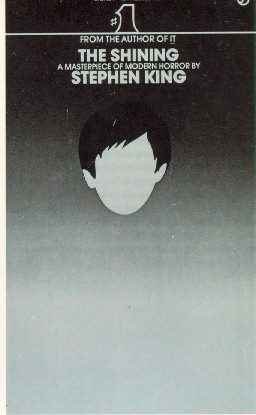
- 1. Stephen King – The Shining (1977): You never forget your first. This was my first Stephen King novel circa 1978, and I was hooked almost immediately. I was attracted and a little freaked out by the faceless boy on the cover of the paperback. It sounded like a more traditional haunted-house story. By the time the family was left at the Overlook alone, it was so much more. The book is a different experience than the film, and I’ve maintained over the years that I enjoy both for what they are.
1976 in Review
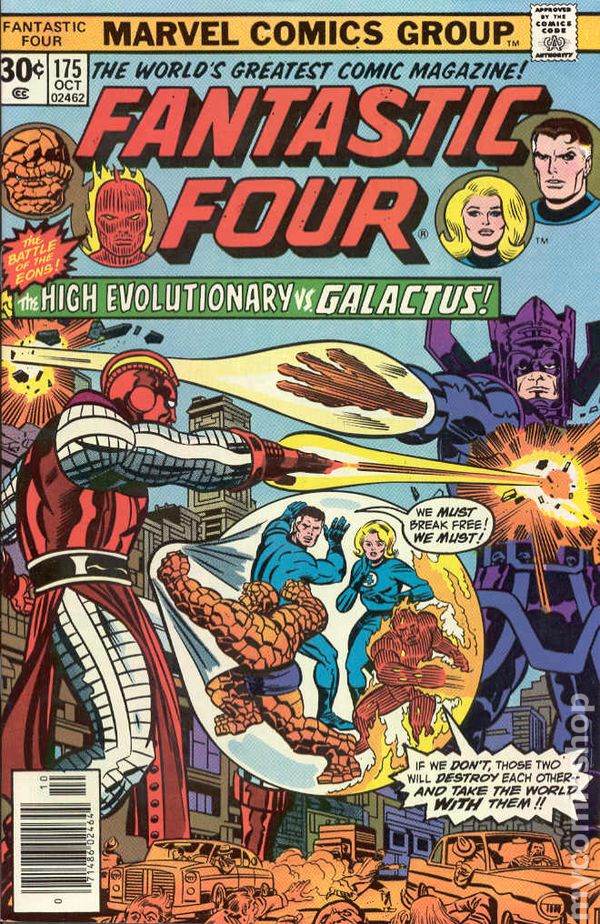
- October – Fantastic Four #175 (Marvel Comics): Cover by Jack Kirby. Written by Roy Thomas. Art by John Buscema. The cover of this issue is so awesome that it sticks in my mind. The story is called “When Giants Walk the Sky,” which is also a great title. The High Evolutionary battles Galactus, the Invisible Girl is really Impossible Man, and at the end, Ben Grimm is reverted to human form (for the 20th time, I guess). I was reading this at the newsstand and wish I owned it now.
- October 16 – The first game of the 1976 World Series between the Cincinnati Reds and New York Yankees. For the first time in history, a National League team would feature a Designated Hitter. Dan Driessen would go 0-4 that game but have a productive Series. He would take over the permanent First Base position for the team after they traded Tony Perez in the 1976 off season.
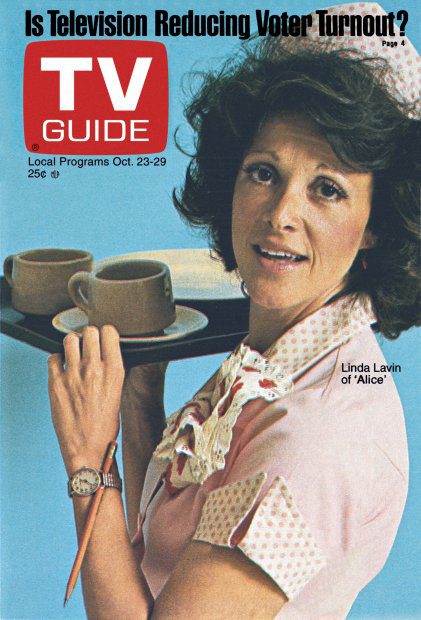
- October 23-29 – TV Guide. The third and final Carter vs. Ford debate had just happened, the World Series had completed, and the big event of the week was the new Amelia Earhart (NBC) three-hour movie. The cover story about Alice (CBS) was about the biggest hit of the new season. The show based on the Martin Scorsese film aired on Wednesdays at 9:30pm after All in the Family (CBS). It was an instant Top-Ten-rated show.
What the Hell Did I Put in My Mouth?
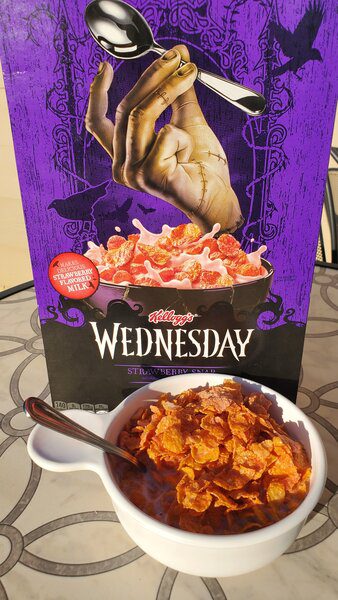
Kellogg’s Wednesday: Strawberry Snap
Thing gets his own variation of the Wednesday line from Kellogg’s. I’m going to have to break some bad news to you. This isn’t anything new. It’s easily the repackaging of the ignored Frosted Flakes: Strawberry Milkshake flavor. It’s been a bit, but I can’t tell one little difference between them. It’s the same complaint as those, the strawberry is much too syrupy sweet instead of a subtle fruit that would go well with the corn flakes.
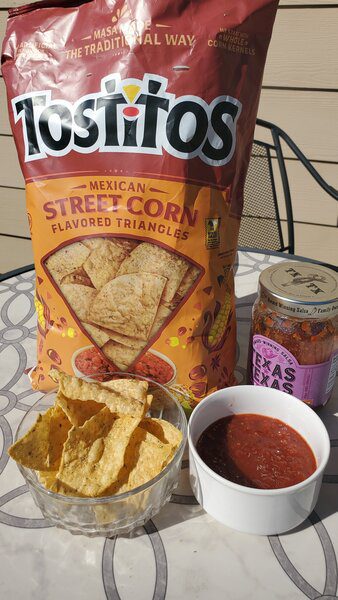
Tostitos: Mexican Street Corn Flavored Triangles
The packaging concerns me. It’s Elotes flavor but they call it Mexican Street Corn. They are chips but they call them “flavored triangles.” In the end, they are somewhere between the Doritos Elotes and Doritos Cool Ranch flavor. You can make some good nachos with them. They are good with a little salsa. You won’t be fooled though, these are another food trying to rebrand as something else. I see through you Tostito Doritos.
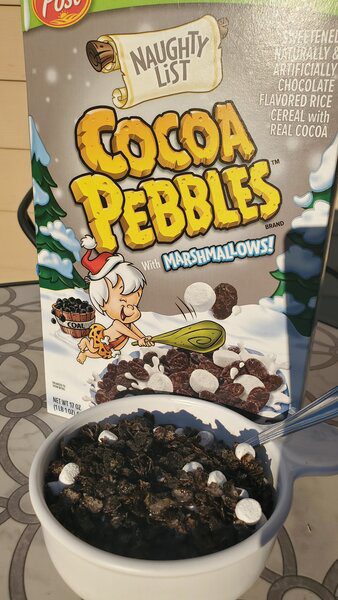
Naughty List: Cocoa Pebbles with Marshmallows
The trend of 2026 has been me pointing out the noticeable lack of dyes in foods. Maybe this portends 2027. The first thing about this Naughty List version of Cocoa Pebbles that you will notice is that it’s the blackest cereal I can ever recall. The coal black is intense and immediately colors your milk a weird chocolate rust color. The flavor profile ends up closer to hot chocolate and marshmallows. But it’s hard to get past how dang black this cereal is out of the box. I’m looking for a warning on how it might affect my body, but nothing on the packaging. Enjoy at your own risk.
“I still see that vision of delight,
While cruising on the black of night,
but she keeps a step ahead
Looking out the corner of her world, nobody ever knows a girl,
who once lived along this way.” – Jeff Lynne, ELO
