

First chipmunk spotted.
Pop Culture Ephemera
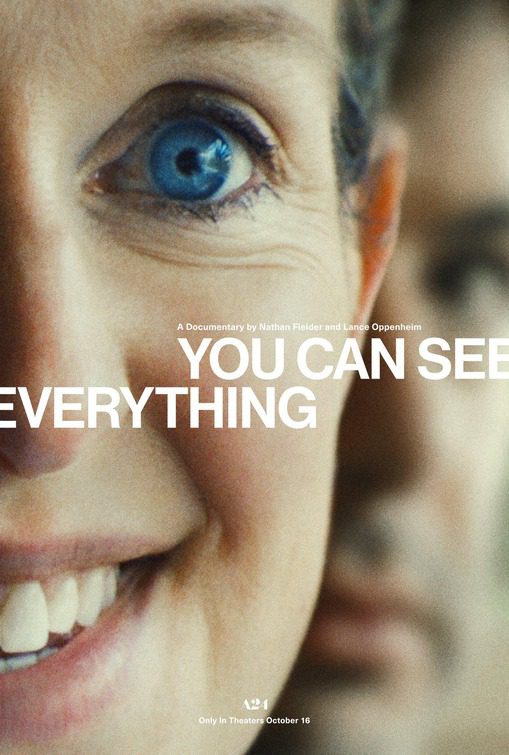
- You Can See Everything (2026) (Directed by Lance Oppenheim / Nathan Fielder): “There were moments where- was a moment where you guys were alone. In the prison. And I’m just wondering if there was… maybe a moment where… she was… being deceitful. Or manipulative.” – Amanda Seyfried. There’s so much more to this documentary than I could talk about in a whole blog entry. Even the type feels manipulative; did we see everything? I’ve watched over 500 documentaries in the past few years, and this is one of the most unique that I’ve ever encountered. I love the Nathan Fielder shows because there’s a combination of playful rebellion with inquisitive insights. I thought between a documentary (that I watched) and a television miniseries (which I haven’t yet), the subject of Elizabeth Holmes wouldn’t hold many more revelations. This is a fascinating story of levels upon levels of how we portray ourselves and the lies that we tell ourselves as well as others. I don’t know that I’ve left any film in the past few years with as many days of thoughts as I did with this. The three main characters, Nathan, Elizabeth, and Billy, each have their own personas and characters that they portray in their real lives. I might need another viewing to really get to the heart of this story. It better win some awards at the end of this year (something I never thought I’d say about a work from Nathan Fielder).
- Crystal Lake – “Camp Crystal” (Peacock) (S.1 E.1) (2026): “Temperature’s a mild 72 degrees with a high probability of fun!” – John Christy. With this show and Carrie (Amazon), we have been gifted by the Horror Gods this fall with two stories that give life to older franchises. Linda Cardellini wouldn’t have been my first thought to cast as Pamela Voorhees. It was hard to imagine how they were going to breathe life into what was essentially a singularly motivated character, not given to depth, in the films. If the story was just to give the first film some backstory, the show could have been less than two episodes. What they’ve done after just a single episode is started a mythology that gives character to the Camp and town, much like Twin Peaks (ABC). The surprise development in the third act adds a level of conspiracy (much like we are watching unfold in Carrie). As good as the portrayal of the grief at the death of her son is, I hope that the extraordinary events of Pamela’s earlier life don’t overwhelm the remaining episodes. The most interesting story is that descent into madness that left us with the most questions after the first film.
- Glen Campbell – “Wichita Lineman” (from Wichita Lineman) (1968): “And I need you more than want you / And I want you all the time.” Written by Jimmy Webb as a sequel of sorts to “By the Time I Get to Phoenix,” it’s missing a third verse, but it was recorded before it was finished. The image of the lonely lineman, somewhere in rural Oklahoma has an existential science-fiction feel. It can be argued that this or some of the Kris Kristofferson songs of this 1968-1972 period were the tipping point for the new country sound of the ’70s. Bob Dylan calling it “the greatest song ever written” is too much hyperbole for even me. I mean, Dylan himself has written half a dozen songs as good as this. It doesn’t mean that you can’t listen to this and feel the vision of what we define as country was changing significantly. The genre would embrace the working man and the loneliness of living day to day. The song resonates just as much today as it must have in 1968.
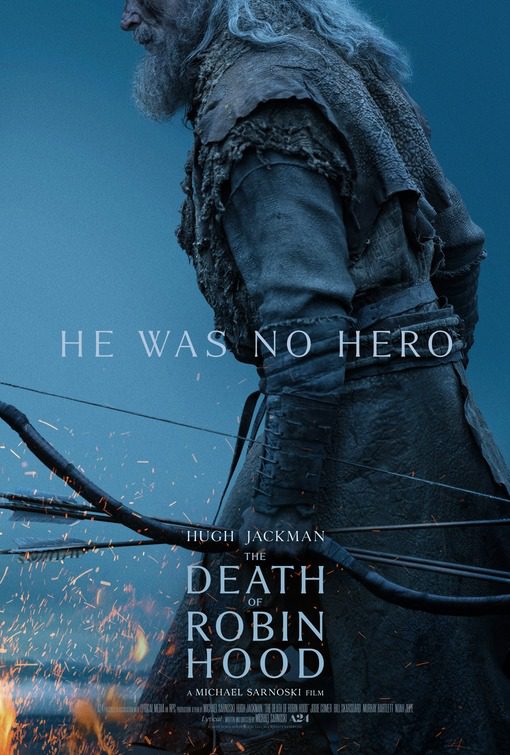
- The Death of Robin Hood (2026) (Directed by Michael Sarnoski): “People saw a meaning where there was none. He was not a hero. He robbed and killed for the joy of it. Nothing more.” – Robin In the era of the superhero film, this film visits one of the first movie superheroes. The hero as old man, questioning the violence of his youth is nothing new. It was done best in Unforgiven (1992) by Clint Eastwood. The Western is a quiet genre that lends itself to that kind of introspection. The idea of an older Robin Hood as villain instead of hero was explored much more lighthearted in Robin and Marian (1976) with Sean Connery as the aging hero.
There’s lot to like about this film, starting with the wonderful cinematography, albeit very dark film (in lighting and mood). Hugh Jackman fills the role of Robin strongly. We’ve seen Hugh as the broken-down superhero before in Logan (2017). This film follows a similar arc with the aged hero. The aging man who has committed violence throughout his life and is now facing his own mortality is a great story to tell. I wish I had bonded with the film more. I went into it with an open mind, but found myself wanting more of the Western elements. The pacing is reversed from what I would have expected. The action is front loaded before you really know the characters, and the slower introspection is in the final act. I still recommend this as a great production from a solid director.
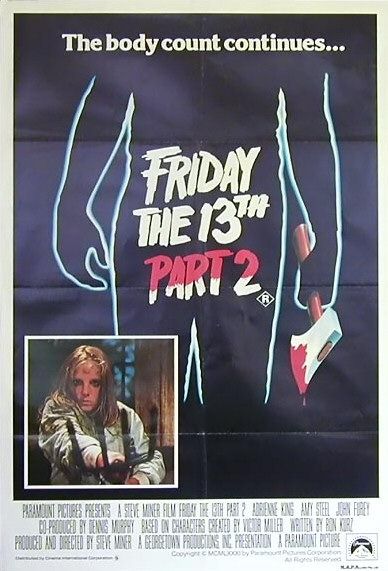
- Friday the 13th: Part 2 (1981) (Directed by Steve Miner): “His body was never recovered from the lake after he drowned. And if you listen to the old-timers in town, they’ll tell you he’s still out there…” – Paul. In preparation for Crystal Lake (Peacock), I wanted to check out more of the origins of Jason Voorhees. I’ve watched Friday the 13th (1980) as much as any of the iconic films of the era. I probably haven’t watched this sequel since catching it on VHS in 1984. This is burlap baghead Jason, his hocky mask won’t arrive until the third part. The film starts with a dream of the last few minutes of the first film (a nice budget-friendly device). The story doesn’t mess around with as much plot as the first film. This established adult Jason as the villain, and it allows for minimal backstory in order to put young adults in danger. The kills are more violent and the nudity content is more gratuitous. This isn’t a work of art by any means, but it helped transition the genre into what it would become for the next decade, along with all of the knockoffs.
Best of the Rest
- The hallmark of the Outlaw Country and the Existential Country movements of the late ’60s and ’70s is how well they transfer to other genres. The Meters cover from 1970 is a standout. Art Neville provides serviceable vocals, but it’s the funky instruments filtered through a New Orleans vibe that make this one of the better versions. Other soul and R&B artists covered the song in this era, but ones like Ray Charles tried too hard to incorporate the steel guitar of the country genre. This version goes straight to a funk base.
- In 1994, REM did a cover of “Wichita Lineman.” The group is underrated for their covers. Michael Stipe has always sung lyrics like a “working class” man. Their early songs, in particular, seemed to reflect this same vibe. I haven’t watched their Rough Cut (1995) documentary, but it’s on my long list of “need to see” docs.
- Over the past few years, the best cover of “Wichita Lineman” is this Colin Hay version. This performance from 2021 strips down the song, which many before have done, but it’s Colin’s voice that gives me such pleasure. I want more new material from this man.
Sunday Morning Tuneage Flashback
- Sunday Morning Tuneage from 11/21/2010, there wasn’t as much happening as it was the weekend before Thanksgiving. The kids were off the upcoming week. I had worked a North Texas game the previous Saturday and we had one coming up the Saturday after Thanksgiving (spoiler alert – it was going to be some really crappy weather). I claimed that Boardwalk Empire (HBO) was the best show of the year (I wasn’t far off-base). I was buzzing for Kung Fu Panda Holiday Special (NBC). It was good and need to remember to put it on this year’s rotation. The Top Ten of the week is pretty inflammatory. I don’t want to start arguments, but I’m going to rerank them.
My #40 Top TV Show of All-Time was Malcolm in the Middle (FOX) (2000-2006): Despite all the awards and years of syndication, I think this is an oft-forgotten classic of the sitcom genre. It’s not just the hilarious cast, but it was a show not afraid to break sitcom rules, like Malcolm breaking the fourth wall and talking to the audience. This is a great example of a show that had a perfect home on FOX Sunday night with The Simpsons, King of the Hill and The X-Files. That was easily one of the best runs of shows on a single night in the 2000s. By the end, it was relegated to the “on the way to cancellation” Friday night slot. I remember this show for having some of the best cold opens of any sitcom. It’s almost time for me to run through this show again.
BEST COOKIES OF ALL-TIME (2010)- 10. Nutter Butter
- 9. Archway Molasses
- 8. Sugar Wafers
- 7. Fig Newtons
- 6. Windmill Cookies
- 5. Oreos
- 4. Girl Scout Thin Mints
- 3. Oatmeal
- 2. Sugar Cookies
- 1. Chocolate Chip Cookies
- BEST COOKIES OF ALL-TIME (2026)
- 10. Fig Newtons: Might be the most controversial cookie on the list. Opinions are usually love or hate only for this chewy fruit cookie. They remind me of my Grandmother’s house. She would slip me a few of these when we left her house to eat in the car.
- 9. Pepperidge Farm Tahoe White Chocolate Macadamia: There are plenty of the Pepperidge Farm cookies that could make the list. The combination of white chocolate chips and macadamia nuts make this cookie an addiction waiting to happen.
- 8. Girl Scout Thin Mints: Often copied but never duplicated, these yearly purchases are ones I look forward to in the spring. Then I don’t miss them the rest of the year. I’m a two boxes, out of the freezer, and then done. They are still iconic, and I can’t imagine the Cookie Universe without this entry.
- 7. Royal Dansk Butter Cookies: Everyone knows the iconic blue tin. And everyone knows that it’s just as often holding trinkets or craft supplies as it is holding shortbread cookies. When the cookies are inside, they are my favorite shortbread cookies and another holiday tradition. I know that Pepperidge Farms have a quality shortbread with the Chessmen line, but not the flavor of these.
- 6. Chips Ahoy (Original): This is called a Chocolate Chip Cookie, but for purposes of ranking I think of it as the best of a “grocery brand” of mass-produced cookies.
- 5. Keebler Fudge Stripes: These were the cookies that adults always liked when I was a child. Then I grew up and they became a favorite of mine too. I don’t think to buy them often, but this and #6 are great no-brainer purchases when you just need a snack while watching movies on a Sunday.
- 4. Snickerdoodles: This should be combined with the next one on the list. It’s essentially just a sugar cookie rolled in cinnamon and sugar, as far as I know. This list is about me eating cookies, not making them.
- 3. Grandma Miller’s Sugar Cookies: This family recipe isn’t your traditional sugar cookie. It’s a thick, soft cookie that almost has the consistency of a pancake when made correctly. It’s a difficult recipe to duplicate, but each cookie brings back some of my most favorite and treasured childhood memories.
- 2. Chocolate Chip Cookies: Created by accident at the Tollhouse, these are also some of the most versatile cookies. As I’ve grown older, I’ve gone from preferring the soft and gooey (think Mrs. Field’s) to the crispy and crunchy variety (I do consider #6 of a different category for some reason). It’s still the safest choice to bring to a gathering. I don’t think I know more than a couple people who don’t like this classic cookie.
- 1. Oreos: The Classic Oreo (including the Double Stuf) is the one that I come back to year after year. Why it was only fifth in the original rankings makes me question everything I know about myself. I have some favorite flavors they’ve added over the years, but the Classic is the GOAT of the cookie aisle.
1976 in Review
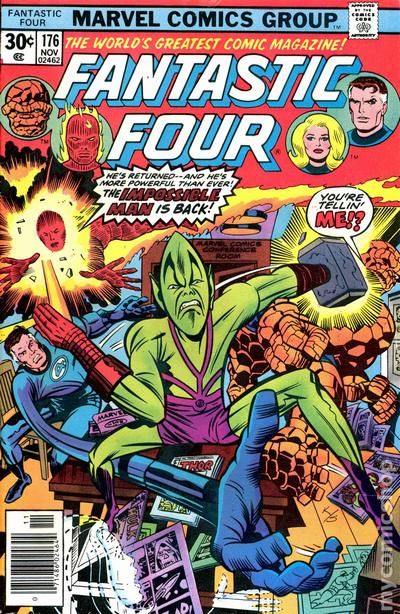
- November – Fantastic Four #176 (Marvel Comics): Cover by Jack Kirby. Written by Roy Thomas. Art by George Perez. The 15th anniversary of the title is a weird tale with the Impossible Man and a big dose of Jack, Stan, Roy. and George in the Marvel offices of the Marvel Universe where Marvel Comics publishes the real-life adventures of the Fantastic Four. Roy Thomas recently said that this was the most reprinted Marvel comic. I don’t doubt his facts, but if so, that’s weird in that it isn’t a first appearance, death, or even major story development.
- November 5 – The first Ebola epidemic was contained after 280 people died in Zaire. There wouldn’t be another outbreak until 1995.
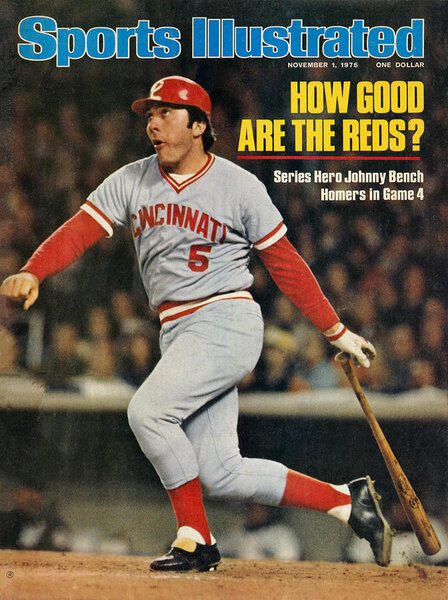
- November 1 – Sports Illustrated. The answer to the question on the cover was that the Big Red Machine was dominant. They had just swept a good Yankees team in the World Series. Johnny Bench had an unreal series. In four games he went 8 for 15. He would hit two home runs and drive in five runs in the Game Four clincher. He would be only the second catcher at the time to win the World Series MVP (Elston Howard being the other).
What the Hell Did I Put in My Mouth?
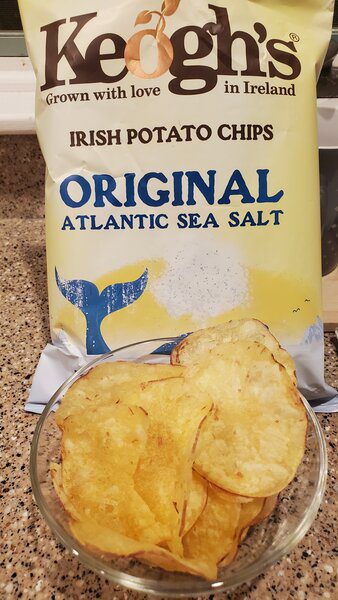
Keogh’s Irish Potato Chips: Original Atlantic Sea Salt
These Irish potato chips aren’t unique to the Northeast, but while I’m seeking local brands, I’m not opposed to finding some brands that I haven’t picked up before. This is a brand I’ve seen at World Market and a few other specialty shops previously, but they had fallen off my radar. These chips have the the skin on still, and they are thin cut. I usually like the thicker chips, but these are perfectly balanced and not oily. I’m surprised by how much crunch they maintained. The potato taste is evident, and it makes you think how much you can miss the taste of potato in today’s chips. I’m a fan of this brand.
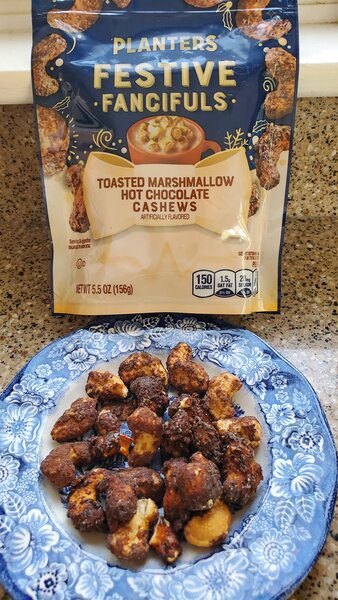
Planters Festive Fancifuls: Toasted Marshmallow Hot Chocolate Cashews
There is a very thin line between snack and candy when you start putting chocolate on nuts. These veer a little more into the candy category for me. It’s not real chocolate-covered cashews, it’s something meant to simulate the hot cocoa and the creaminess of the toasted marshmallow. The result is that the cashews are lost, not salty enough, and the texture just isn’t what I was expecting. I need a good mix of sweet and salty, and I wanted a crunch in the nut, not chewy. Try again, Planters.
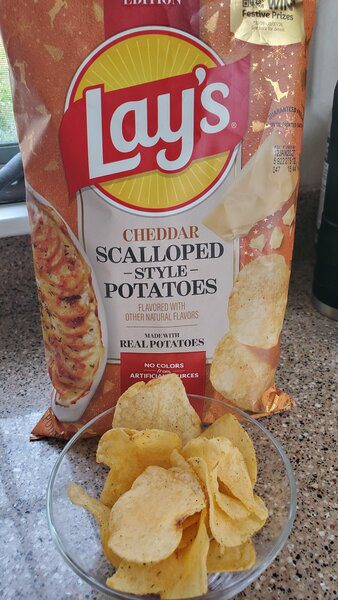
Lay’s Cheddar Scalloped Style Potatoes
The first of the Holi-Lays flavors are hitting the shelves. These aren’t terrible, but it’s hard to mess up a potato chip trying to taste like a potato dish. We don’t add cheddar to our scalloped potatoes, so that’s a different flavor profile for me. The taste ends up being like the cheddar and sour cream with a handful of herbs thrown in the bag. The cheddar is overwhelmed at the end with a parmesan flavor. They do mimic a potato dish from the holidays, just not one from my tradition. Plenty of other flavors left to make good for the Holi-Lays.
“I hear you singin’ in the wires
I can hear you through the whine
And the Wichita lineman
Is still on the line” – Glen Campbell
