
Hello, and welcome to another Five Cool Things, the bi-weekly article where I talk about all the fun, interesting, and cool things I’ve discovered since the last time. This week we’re talking about an old, obscure film noir; a new horror film that throws back to the 1980s; a BBC TV movie that hearkens to Orson Welles on the radio; a classic silent film; and a celebration of Jim Thompson.
The Big Caper
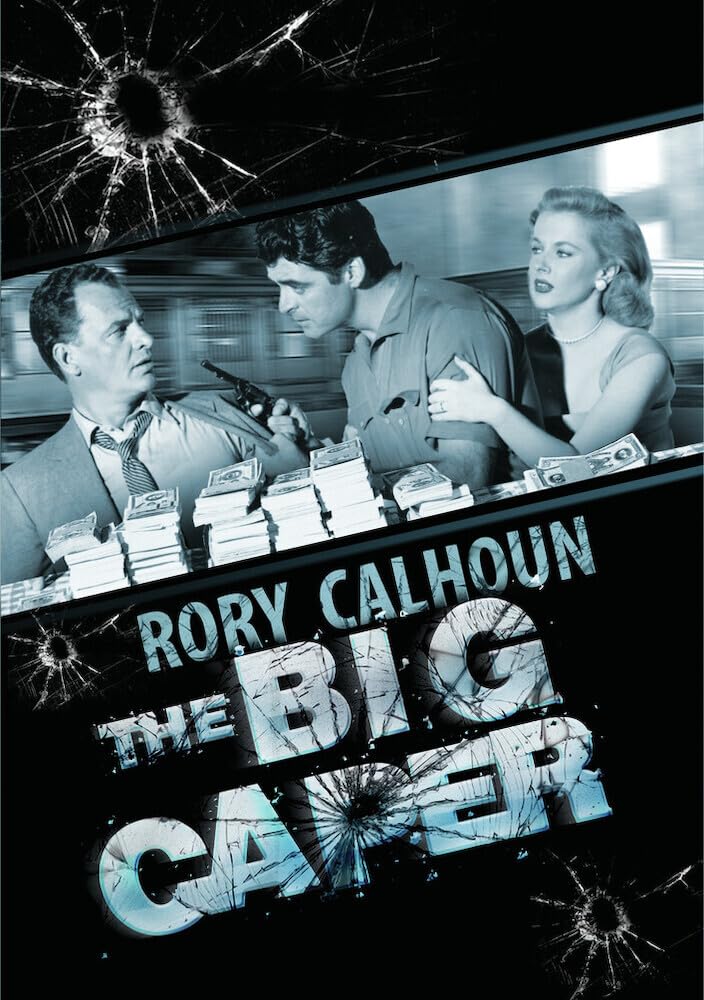
Say what you will about Amazon Prime (and believe me, I have plenty of negative things to say about it), but one positive is that they do have a wonderful collection of old films. You have to really look for them, and the prints are often a mess, but I’ve discovered all kinds of interesting, relatively obscure films on their service.
Buy The Big CaperThe Big Caper is a wonderfully weird B-Noir. It stars Rory Calhoun as low-rent criminal Frank Harper. He’s out of money, so he hatches a plan to rob a bank that every month gets an influx of cash due to its location near a military base. It carries the soldiers’ paydays. He talks his boss, Flood (James Gregory), into fixing the whole thing up. At first, Flood is none too keen on the idea because he’s been smart with his money and would rather just settle down and enjoy it. But then he agrees.
For reasons that are beyond me, Flood sends Rory to settle down in the town with Flood’s girlfriend Kay (Mary Costa). They buy a garage, which Rory works at every day. They buy a house and pretend to be man and wife. They make friends with the neighbors and even a cop. I guess the idea is that from that vantage point they can check out the bank a little further and get to know the town. It also gives them a place for the rest of the gang to hang out in when it’s time for them to come.
A good half of the film is just Rory and Kay making a house. She falls for him and actually loves the life they’ve made for each other. But he wants that big payday. But then Zimmer (Robert H. Harris) shows up. He’s the explosives expert, a pyromaniac, and a drunk. They pretend he’s an uncle, but he keeps causing trouble. Another guy shows up with his girl, causing more trouble. In the end, Rory will have to decide if he wants the dough, the girl, or a settled life.
It isn’t the world’s greatest noir, but I love that it does something different with the material. It kept me guessing as to where it was going, and that’s always fun.
Teenage Death and Sex and Camp Miasma
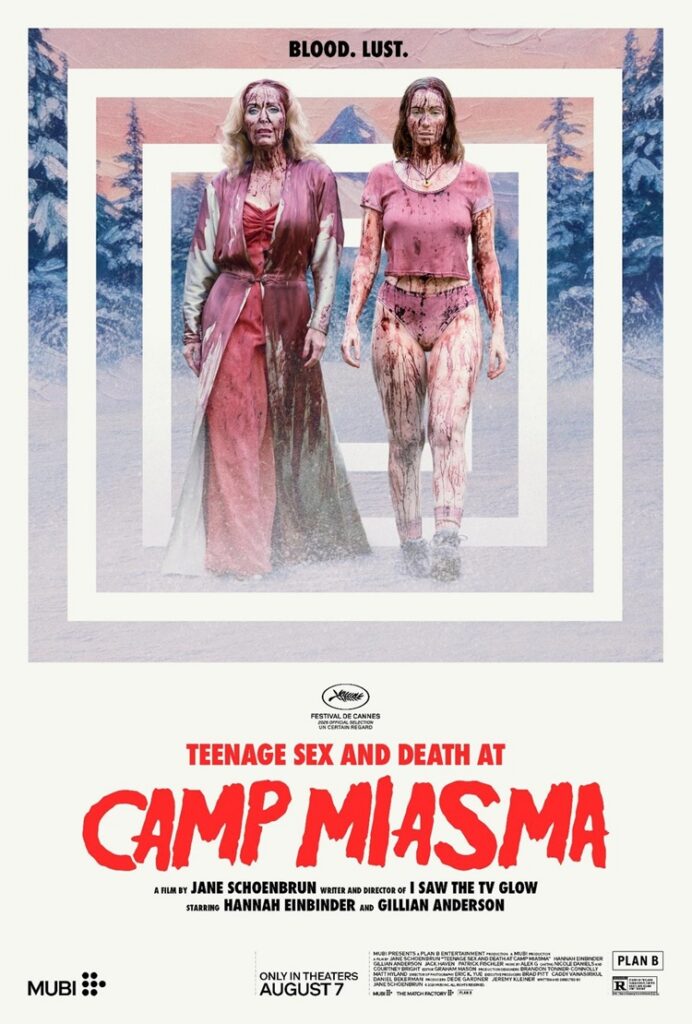
This film from writer/director Jane Schoenbrun feels like this generation’s Scream. Hannah Einbinder stars as Kris Williams, an intellectual, pretentious filmmaker. She’s the kind of girl who says things like, “My work explores the intersection of queerness and cultural depictions of monstrosity,” and once basically remade Psycho but from the perspective of the shower curtain. She’s been tasked with revitalizing the Camp Miasma slasher series. That’s a very Friday the 13th-esque franchise that started strong and slowly turned into a laughing stock.
Rent or Buy Teenage Sex and Death at Camp MiasmaFor inspiration, she spends the weekend with Billy Presley (Gillian Anderson), the Final Girl of the first Camp Miasma film, who has become a recluse in the years since it came out. Billy now lives alone on the secluded and abandoned camp that the original film was set in. She is weird, sexy, and a little bit scary. She’s also completely comfortable in her own skin and her own sexuality. Whereas Kris is a bundle of nerves who can’t get out of her own head.
Schoenbrun is clearly a horror fan. This film (and the clips of the Camp Miasma films we get to see) reference not only Friday the 13th but Halloween, A Nightmare on Elm Street, and a dozen others. But she’s not just aping those films; she’s filtering them through a very modern and Millennial lens. Which makes it feel like it was very much made for me, and yet in other ways that I am way too old to completely get it.
It is a film that I liked quite a lot upon my initial viewing, and I’ve grown to love it more as I continue to think about it.
Ghostwatch
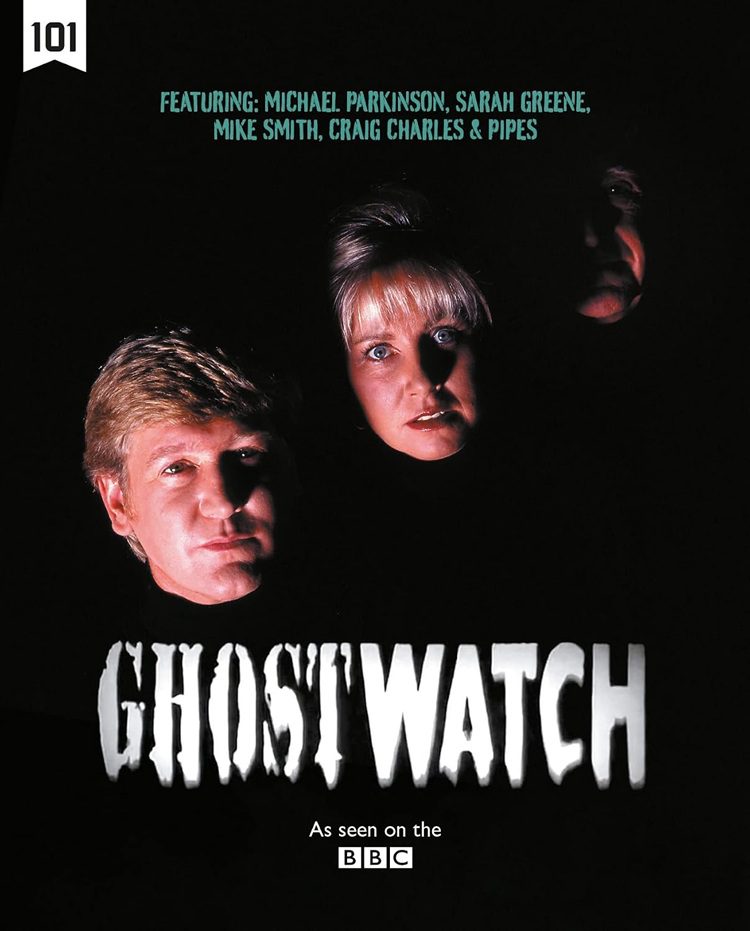
On Halloween evening, 1992, the BBC aired Ghostwatch, a completely scripted show shot several months earlier. It purported to be a live news broadcast investigating the paranormal. They used Michael Parkinson, an actual BBC presenter and newsman, to host the show in a studio. He sat next to Dr. Lin Pascoe (Gillian Bevon, an actress playing the part). On the scene is Sarah Greene (a real TV host) talking to the inhabitants of a supposedly haunted house. There was an in-studio call center where folks were encouraged to call in and tell their own ghost-related stories.
Buy GhostwatchAgain, all of this was scripted, but it looked and felt like a real live broadcast. It reminds me of the type of pseudo-news show I used to watch as a teenager during the height of the satanic panic. Lots of viewers thought it was real. They actually called the phone number, so much so that they broke the line. It was a modern version of Orson Welles War of the Worlds broadcast on the radio decades earlier.
Watching it now, it feels l like a time capsule, but it is still quite effective. The show moves back and forth between the studio chatter and the haunted house. At first, nothing happens, but then strange phenomena begin to occur. There will be a strange sound or a knocking on a wall. Then things begin to escalate until, by the end, all hell has broken loose.
It took me a little bit to get into it. The production is so good at getting the feel of an early 1990s broadcast right that it seems completely dated by modern standards. It is something I would have watched back then, but now I have no interest in such shows. But once I got into its rhythm, I found myself mesmerized. The idea that all of it is happening live gives it an immediacy, and the way it ratchets up the is quite effective. Very much worth seeking out.
The Golem: How He Came Into the World (1920)
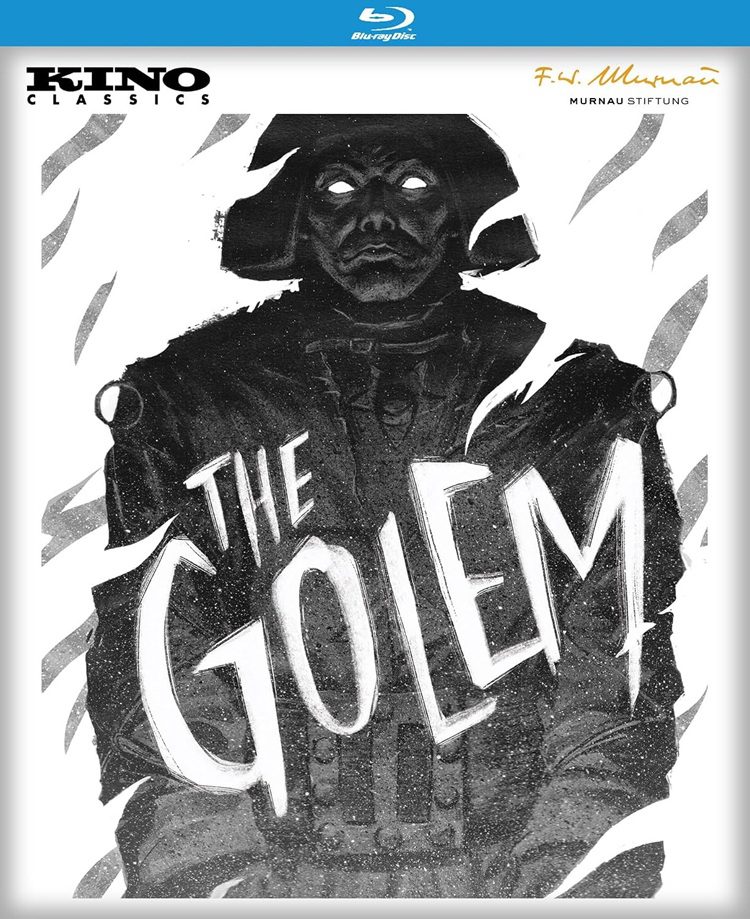
I’m still learning to watch silent films. The more I watch, the more I learn how to enjoy them, but it is still very much a process. It always helps when the film is visually stunning, and The Golem is a visual feast. The story is based on an ancient Jewish myth about a scientist who creates a large humanoid creature out of clay to defend himself from an evil emperor. Mary Shelley was inspired by the myth when writing Frankenstein.
Buy The GolemMade in the same year as The Cabinet of Dr. Caligari, this film feels like the other side of the same German Expressionistic coin. Caligari is all sharp edges, crazed angles, and harsh lighting, whereas The Golem is softer, more rounded, but still incredibly striking. The sets are enormous, the special effects cutting-edge. I will admit I sometimes had difficulty following the story, and during the slower moments my mind drifted, but this is still a stunning achievement.
The Killing at the Circle Cinema
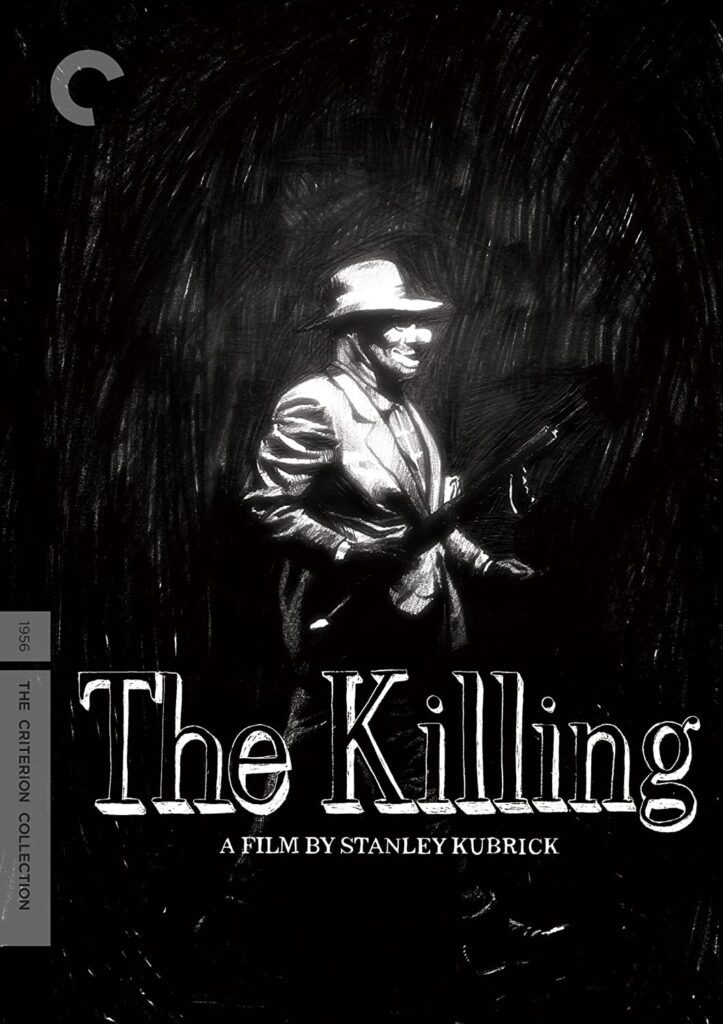
Oklahoma native Jim Thompson would have had his 120th birthday this past weekend. To celebrate, Tulsa’s Circle Cinema teamed up with Oak Tree Books (and the Criterion Collection) to screen Criterion’s beautiful new transfer of Stanley Kubrick’s The Killing (written in part by Thompson). They also included some fun swag (a T-shirt, a button, and some postcards from Criterion’s upcoming Kubrick box set). And they held a panel discussion with Jim Thompson biographer Robert Polito and novelist Lou Berney.
Buy The Killing (Criterion Collection)The film, of course, is amazing. It was Kubrick’s third feature-length film and his first truly great one. It stars Sterling Hayden as a career criminal who has planned the (almost) perfect heist of a racetrack. Kubrick plays with time as he shows us a scene from one perspective, then he’ll go back and show it again from another perspective. Or he’ll show us what someone else is doing at another location at the same time.
With just 84 minutes, he still finds time to give us some personal details of some of the crew. Hayden’s character has a girl who waited for him while he was in prison. They hope to take the dough and run away. Elisha Cook, Jr. plays a cashier at the racetrack who has a small but vital role in the heist. He’s in a loveless marriage with a conniving wife (a delightfully unhinged Marie Windsor). Like all heists in movies, this one runs into problems, and like everything Jim Thompson touched, this one goes bad. There was some dispute between Thompson and Kubrick over the credits. Originally, Thompson only got an “additional dialogue by” credit. That has since been changed to “dialogue by,” with the screenplay still attributed solely to Kubrick. According to Polito in the night’s panel, this pissed Thompson off, as he did write all the dialogue, and the dialogue is pretty important to the film. But I guess it didn’t piss him off too much, as he worked with Kubrick again on Paths of Glory.
It is a masterful film all around, and seeing it on the big screen was a marvel. The panel was a lot of fun, and I always love some swag. A terrific night it was.
Werewulf
Robert Eggers is following up his Dracula adaptation with a werewolf movie. He’s a director who I often like, but rarely love. But he has a singular vision, and I love that. A second trailer just dropped, and it definitely has me intrigued.
